
Why are the people getting heart attacks
Most often comes as a shock when physically fit individuals—regular gym-goers, runners, or athletes—suffer heart attacks. After all, exercise is known to protect the heart. So why does this happen?
The answer lies in hidden risks, extreme exertion, and undiagnosed heart conditions, not in fitness itself.
1. Being Fit Does Not Mean Being Heart-Proof
Exercise improves heart health, but it cannot always prevent:
- Genetic heart conditions
- Congenital heart defects
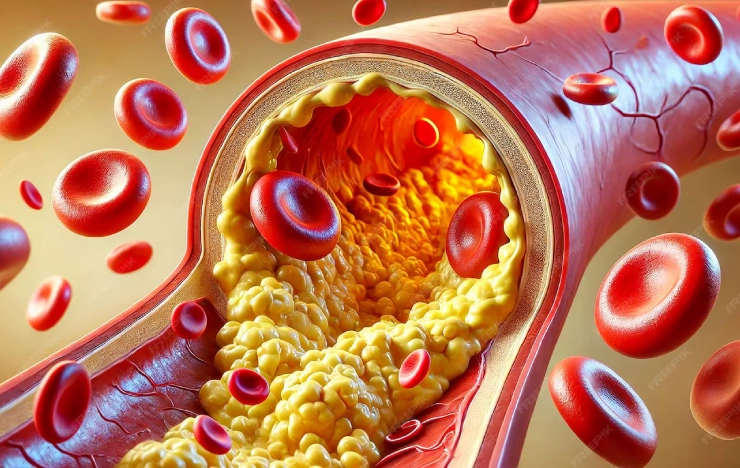
- Silent blockages in coronary arteries
Many of these conditions show no warning symptoms and may only surface during intense physical stress.
2. Intense Workouts Can Act as a Trigger
High-intensity training or prolonged endurance workouts can:
- Rapidly increase heart rate and blood pressure
- Trigger dangerous heart rhythm disturbances
- Increase strain on previously unnoticed heart abnormalities
For most people this is safe, but for a small number, it can lead to cardiac events.
3. Overtraining and Inadequate Recovery
Pushing the body without proper rest can cause:
- Chronic inflammation
- Hormonal imbalance
- Increased cardiac strain
Lack of sleep, dehydration, and training while unwell further elevate risk.
4. Supplements and Stimulants
Excessive use of:
- Pre-workout stimulants
- Energy drinks
- Fat-burning supplements
can overstimulate the heart, raise blood pressure, and trigger irregular heartbeats.
5. Missed Warning Signs
Symptoms often ignored include:
- Chest discomfort during exercise
- Sudden breathlessness
- Dizziness or fainting
- Palpitations
- Family history of early cardiac death
Ignoring these signs delays life-saving diagnosis.
How to Exercise Safely
- Increase workout intensity gradually
- Balance intense sessions with recovery days
- Stay hydrated and manage electrolytes
- Avoid unnecessary stimulants
- Undergo heart screening if engaging in high-intensity training or competitive sports
Exercise is one of the best protectors of heart health, but extreme exertion combined with hidden heart conditions can be dangerous. Smart training, awareness, and timely screening are the real keys to staying safe.
Recent Blogs