What are the Cholesterol and Heart Diseases?
Cholesterol plays a vital role in the body, but when levels become imbalanced, it becomes a major risk factor for heart disease. Understanding how cholesterol affects the heart is key to preventing serious cardiac problems. risk factor for heart disease. Understanding how cholesterol affects the heart is key to preventing serious cardiac problems.
What Is Cholesterol?
Cholesterol is a fatty substance produced by the liver and also obtained from food. It is essential for:
- Hormone production
- Cell membrane formation
- Vitamin D synthesis
However, excess cholesterol in the blood can damage arteries.
Types of Cholesterol
LDL (Low-Density Lipoprotein) – “Bad” Cholesterol
- Builds up in artery walls
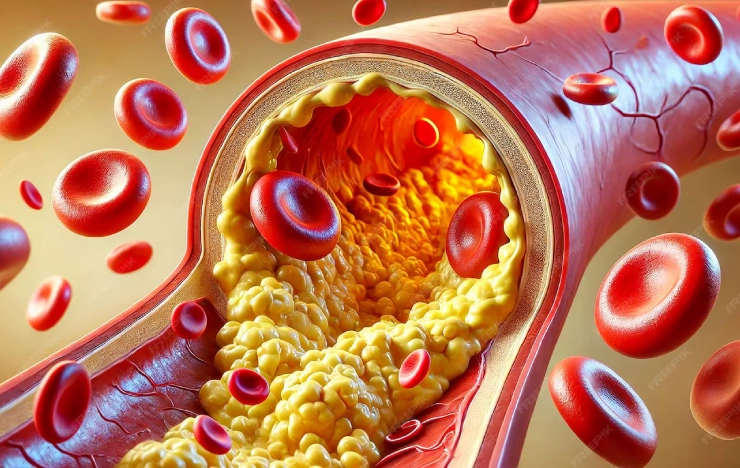
- Forms plaques that narrow arteries
- Increases risk of heart attack and stroke
HDL (High-Density Lipoprotein) – “Good” Cholesterol
- Removes excess cholesterol from arteries
- Protects against heart disease
Triglycerides
- Another type of fat in the blood
- High levels further increase heart disease risk
How Cholesterol Causes Heart Disease
When LDL cholesterol is high:
- Fatty plaques accumulate in arteries (atherosclerosis)
- Blood flow to the heart decreases
- Plaques may rupture, causing blood clots
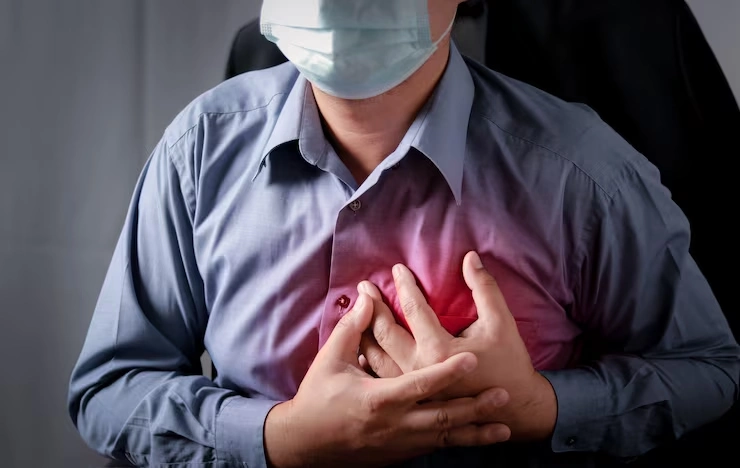
- This can lead to heart attack, angina, or stroke
Risk Factors for High Cholesterol
- Unhealthy diet (fried, processed, sugary foods)
- Physical inactivity
- Obesity
- Smoking and alcohol
- Diabetes and high blood pressure
- Family history of heart disease
Warning Signs
High cholesterol usually has no symptoms. Many people discover it only after a heart attack or routine blood test. Regular screening is crucial.
How to Control Cholesterol and Protect the Heart
1. Healthy Diet
- Eat fruits, vegetables, whole grains
- Choose healthy fats (nuts, seeds, olive oil)
- Reduce saturated and trans fats
- Limit sugar and refined carbohydrates
2. Regular Exercise
- At least 30 minutes of moderate activity most days
- Walking, cycling, swimming are ideal
3. Maintain Healthy Weight
Losing even 5–10% body weight can significantly improve cholesterol levels.
4. Quit Smoking and Limit Alcohol
Smoking lowers HDL and damages arteries. Alcohol should be consumed in moderation.
5. Medications (If Prescribed)
- Statins and other cholesterol-lowering drugs
- Must be taken regularly under medical supervision
Recommended Cholesterol Levels (General Guide)
- Total cholesterol: < 200 mg/dL
- LDL: < 100 mg/dL (lower for high-risk individuals)
- HDL: > 40 mg/dL (men), > 50 mg/dL (women)
- Triglycerides: < 150 mg/dL
Key Message
High cholesterol silently damages the heart. Regular screening, healthy lifestyle choices, and timely treatment can prevent heart attacks and strokes.
Recent Blogs